The Quarter-Century Mark of the iPod: How a $399 Device Reshaped Personal Audio
Two decades and five years after its debut, the original iPod's integration of storage, design, and software established the template for modern mobile media consumption.
By Lucia Herrera ·
The landscape of portable electronics in the early 2000s was fragmented, lacking a dominant standard for digital music consumption. On this day in 2001, Apple CEO Steve Jobs altered that trajectory by unveiling the original iPod, a device that would define the next era of personal audio.
The announcement occurred during a pivotal period for the Cupertino-based company. Apple had successfully navigated the post-dot-com crash era, revitalizing its brand with the Mac OS X platform and the iMac and iBook lines. Jobs positioned the new product as a "breakthrough digital device that’s not a Mac," intending to make the computer the hub for a broader digital lifestyle that included cameras, video, and music.
At the time of the launch, the market contained several competing technologies, including CD players, MP3 CD players, flash-based devices, and hard drive jukeboxes. While Sony and other firms offered portable options, Jobs argued that none had found the correct formula for user experience. Apple chose the hard disk-based approach to maximize capacity, introducing a player that could hold 1,000 songs in a package the size of a deck of cards.
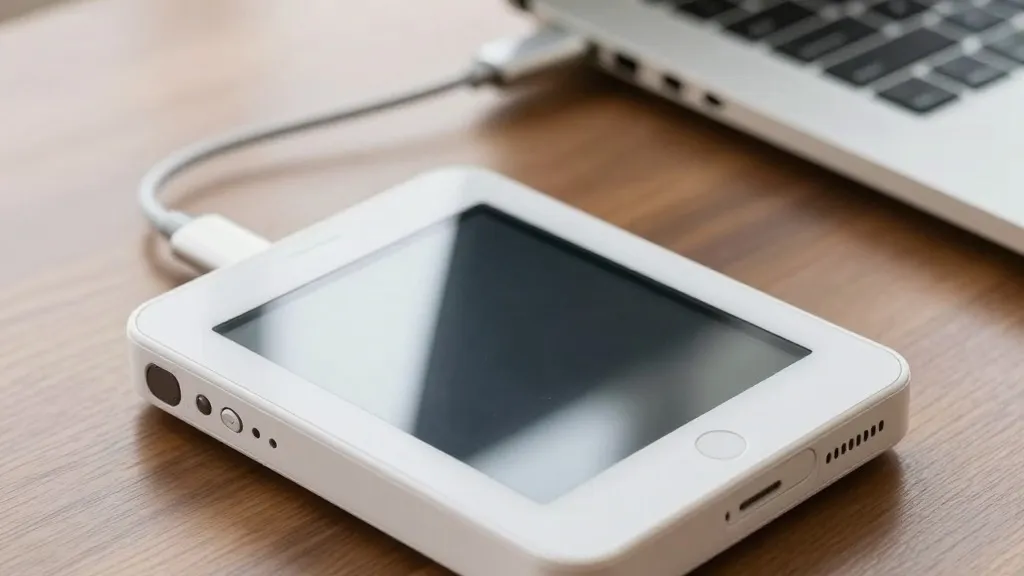
The core value proposition was the device's ability to store an entire music library for $399. This was made possible by a 5-gigabyte storage capacity, which translated to approximately 1,000 pop songs encoded at 160Kbps. The physical form factor was compact, measuring 2.4 by 4 by 0.78 inches and weighing 6.5 ounces, a weight that was lighter than most cell phones of that era. This design relied on a 1.8-inch ultra-thin hard drive supplied by Toshiba.
Performance and connectivity were central to the product's appeal. The device featured a FireWire 400 connection, which Jobs claimed allowed for the transfer of an entire CD of music in five to 10 seconds. In contrast, USB transfers of that period could take up to five minutes for the same data load. Filling the full capacity of the device was estimated to take only 10 minutes, compared to five hours for competing USB-based players.
The interface emphasized ease of use through a minimal design and a scroll wheel equipped with a piezoelectric clicker for tactile feedback. This control scheme allowed for rapid navigation by artist, playlist, or song. During the live demonstration, the first track played was "Building a Mystery" by Sarah McLachlan. The device also included a rechargeable lithium-polymer battery that provided 10 hours of continuous playback and could recharge to 80 percent in one hour.
Software integration was the third pillar of the product's strategy. The launch coincided with the release of iTunes 2, which introduced features such as MP3 CD burning and automatic syncing. This Auto-Sync feature ensured that music libraries curated on a Mac were automatically updated on the iPod upon connection. The device also functioned as an external FireWire hard drive when plugged into a computer.
The iPod's success persisted for over a decade, coexisting with the iPhone, which launched in early 2007. However, the smartphone's rise eventually rendered dedicated music players redundant. The final model, the 7th-generation iPod Touch, appeared in May 2019. Although the line was left unmaintained for a few years, it was officially discontinued in May 2022, marking the end of a product line that had fundamentally changed how people interacted with music.
Source: Tom's Hardware