New Energy Dividend Mandate Aims to Quiet Local Backlash Against AI Data Centers
Federal directives now require hyperscale data centers to share excess power with neighboring residents to offset rising utility bills and ease community tensions.
By Dmitri Sokolov ·
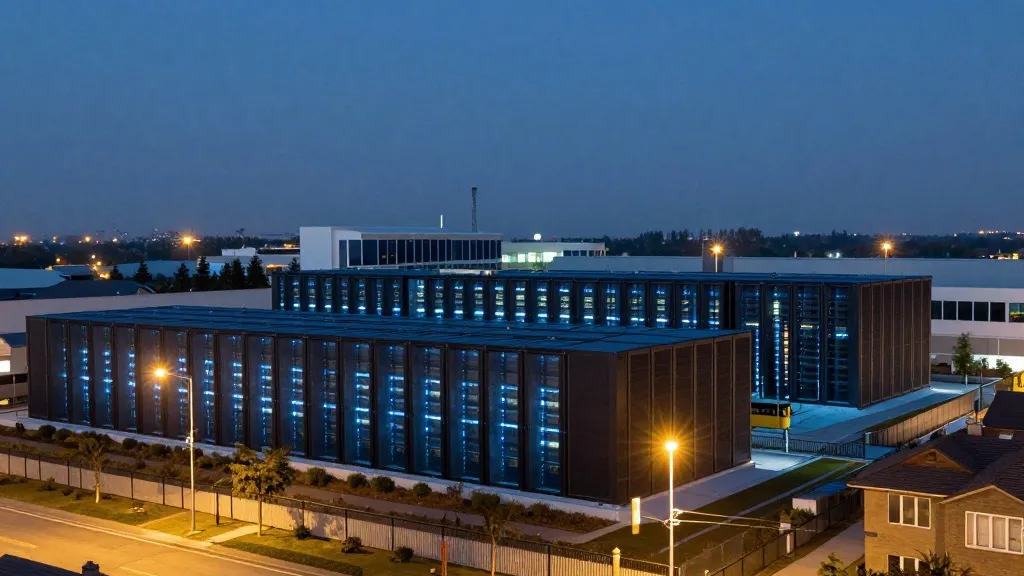
For homeowners and residents living near large-scale artificial intelligence infrastructure, the immediate implication of recent federal directives is a potential shift in how local utility costs are calculated. Residents in communities hosting these massive facilities have long faced rising electricity bills, noise pollution, and water strain. In a bid to alleviate these burdens, the administration has signaled that data center operators must provide an "energy dividend" to the local community. This move aims to not only prevent further price hikes but actively reduce costs for nearby households by requiring companies to give or sell back excess generated energy.
The push for these facilities has accelerated dramatically over the past several months as the race to maintain a technological edge over China intensifies. While the administration previously mandated that these entities generate their own electricity to reduce grid reliance, the new emphasis is on reciprocal benefit. A recently passed act already requires data centers to cover the costs of grid upgrades, preventing those expenses from being passed on to local taxpayers. The latest directive builds on this by suggesting that any surplus power produced by these self-contained facilities should flow back to the immediate neighborhood.
President Trump outlined this vision in a recent social media post, arguing that financial agreements can transform unpopular projects into accepted neighbors. He noted that data centers that were once met with resistance have become popular once a deal was struck. His directive was blunt: "MAKE DEALS, and get them built!!!" This approach seeks to use economic incentives to smooth the path for construction, hoping that tangible financial benefits will outweigh the environmental and logistical disruptions often cited by local residents.
However, the practical mechanics of this dividend remain under scrutiny. While the intent is to lower energy costs, the source of this power is often temporary. Many new data centers currently rely on gas-powered generators to meet immediate demand, which can introduce additional noise and pollution before longer-term, cleaner solutions come online. Critics note that calling these payments a "dividend" is unusual, as companies typically pay such distributions only after achieving profitability, a status new construction projects may not reach for years. This raises questions about the long-term sustainability of the promised financial relief for residents.
The coming months will test whether this strategy successfully converts local opposition into acceptance. While the economic aspect addresses one major pain point, other issues such as water consumption and ecological impact remain significant hurdles. The administration’s strategy relies on the assumption that sharing the energy burden will be enough to make these facilities a more palatable presence. If the dividend proves substantial, it could set a new precedent for how large-scale tech infrastructure integrates with local communities, potentially influencing future projects across the country.
For now, the focus is on implementation. As data center builders navigate these new expectations, the goal is to create a model where the communities hosting these critical assets see direct, tangible benefits. Whether this leads to a lasting shift in the relationship between tech giants and their neighbors remains to be seen, but the pressure to "make deals" is now an explicit part of the national conversation on AI infrastructure.
Source: Tom's Hardware