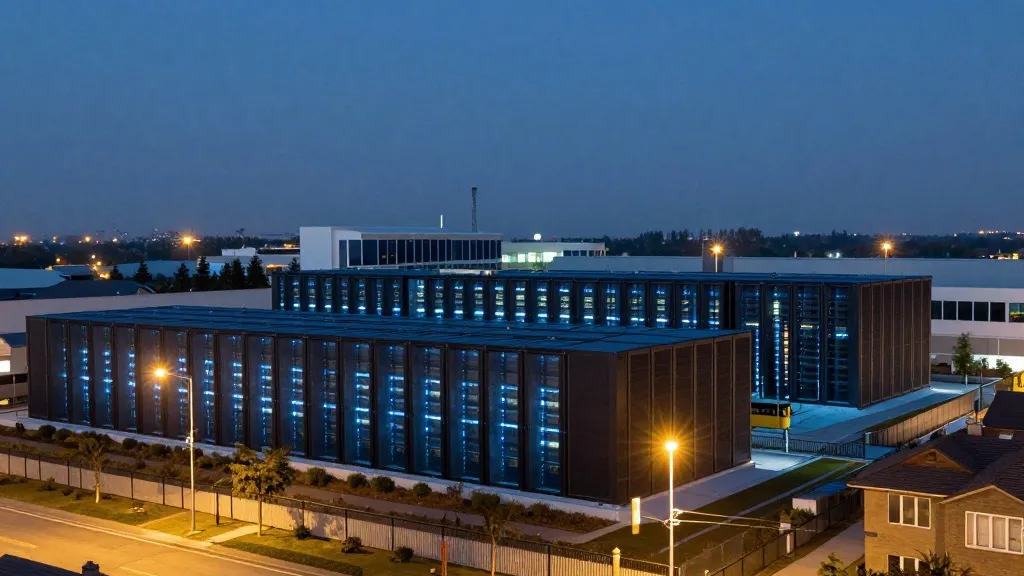
Real Estate Pivot: Amazon exits Loudoun data center bid for housing and arts
The tech giant abandons its plan for four AI facilities in Northern Virginia, opting instead to develop residential spaces and donate land to the county.
By Eduardo Salazar ·
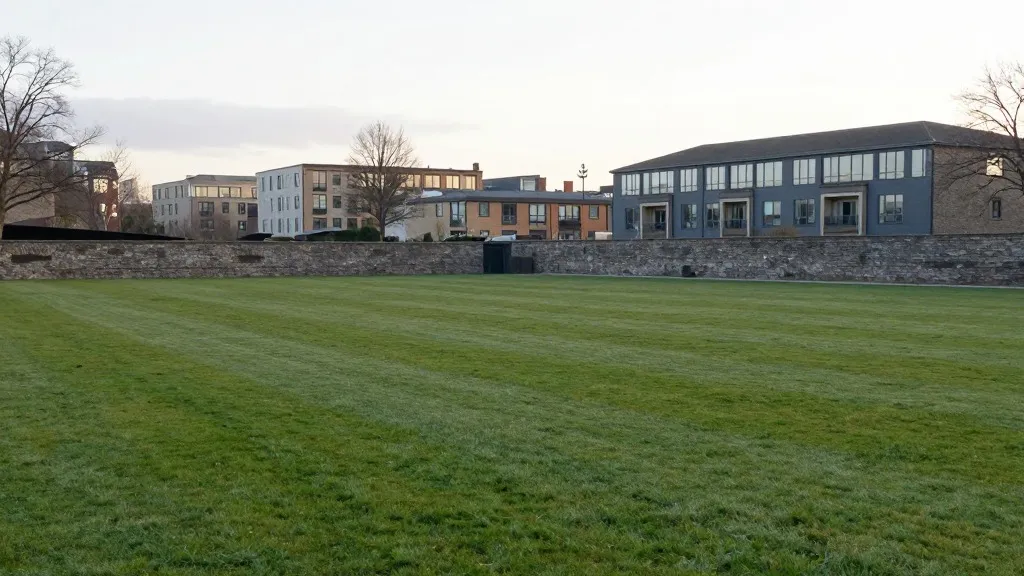
Amazon has officially withdrawn its proposal to construct four new data centers on a 122-acre parcel in Loudoun County, Virginia, marking a significant shift in the company’s real estate strategy. In a move that prioritizes community relations over immediate expansion, the company will repurpose the majority of the site for mixed-use and residential development. This decision comes after intense local opposition to the project, which had threatened to add to an already congested energy grid in a region known for its high density of server farms.
The property in question is the former campus of George Washington University, located just outside the District of Columbia. Rather than proceeding with the industrial build-out, Amazon will dedicate 25 acres of the land to Loudoun County. These parcels are slated to become a community arts center and a new recreational facility. Additionally, the company has committed a $5 million donation to the county’s housing fund, aiming to support the creation of more attainable homes for local residents.
This pivot represents a stark change from the initial plan, which sought to add to Loudoun County’s reputation as "Data Center Alley." The county currently hosts the largest concentration of data centers in the world, a status that has drawn scrutiny regarding noise pollution and electricity consumption. The backlash was not merely theoretical; residents voiced concrete concerns about the strain these facilities place on local infrastructure and power resources.
The timeline of the dispute began in July when Amazon first submitted its proposal for the new facilities. The situation escalated through negotiations, culminating in a September meeting between Amazon executives and Phyllis J. Randall, the Chair of the Loudoun County Board of Supervisors. During these discussions, county officials suggested that the land might serve the community better with an alternative use, effectively putting the company on notice that the project was facing stiff headwinds.
Josh Weissman, Amazon’s vice president of data center development, addressed the decision in a statement. He noted that the company had been eager to acquire the former university campus when the opportunity presented itself. However, Weissman acknowledged the county’s "pointed concerns about data center development at this particular site." He explained that while Amazon viewed the legal development potential differently than the county, they concluded that a shared vision was preferable to "costly litigation."
This local negotiation occurs against a backdrop of rising national pressure on the data center industry. The surge in artificial intelligence applications has driven demand for larger and more powerful facilities, leading to increased energy costs and water usage in host communities. In response to these rising tensions, President Donald Trump recently called on data center builders and AI hyperscalers to provide dividends to local communities affected by energy price increases. The President further suggested that these facilities should generate their own power and return excess energy to the local grid.
County officials have framed the outcome as a success of collaborative governance. Randall stated that by choosing "dialogue over reflexive disagreement," the county and Amazon created a valuable opportunity. She emphasized that the agreement will provide residents with new spaces to gather and create, while also addressing the critical need for more affordable housing for working families in the area.
Looking ahead, the repurposing of the 122-acre site signals a potential model for other contested tech developments in the region. The shift from industrial to residential use may alleviate some of the grid strain that has worried local stakeholders. For Amazon, this move allows the company to maintain a physical presence in a key market without the immediate friction of a high-profile data center build, while for Loudoun County, it secures tangible community benefits and a significant financial injection for housing.
The decision underscores the evolving dynamics between hyperscale technology firms and the municipalities that host them. As demand for AI infrastructure continues to outpace local capacity, the balance of power in these negotiations appears to be tilting toward community interests. The Loudoun project may now serve as a case study for how tech companies can adapt their expansion plans to secure local buy-in, avoiding the legal and political battles that have plagued other data center proposals in the Southeast and beyond.
Source: Tom's Hardware