Terafab Aims for 2028 Chip Production, Musk Says
Elon Musk announced during a SpaceX broadcast that semiconductor suppliers are accelerating equipment deliveries for the Texas facility.
By Malcolm Davis ·
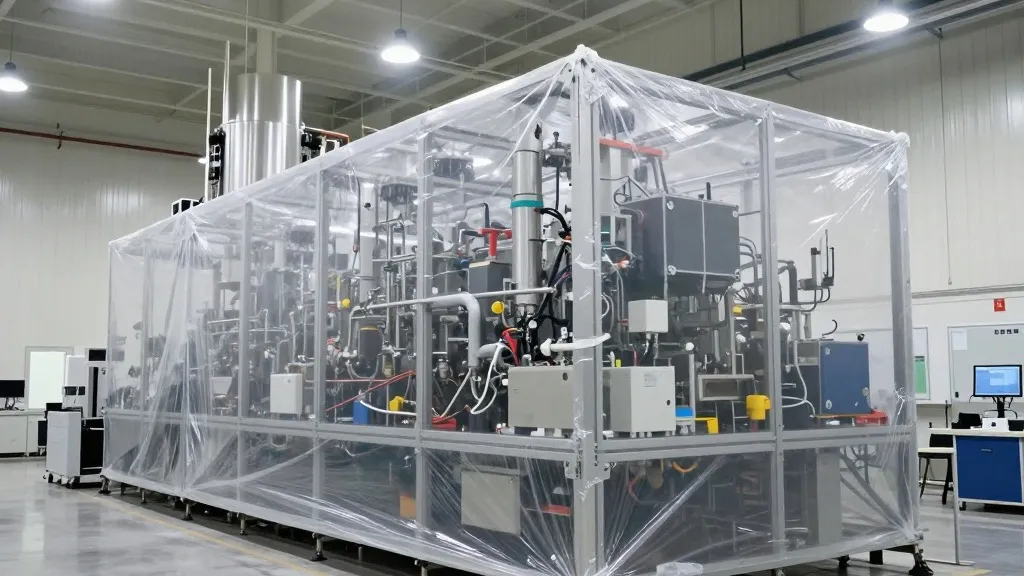
The project is targeting volume chip production by the third or fourth quarter of 2028 at the Gibbons Creek, Texas site. This schedule was described as 'highly aspirational' with 'big error bars.' The plan calls for the facility to fabricate logic, memory, and advanced packaging architectures in one location, with a target of producing 1 terawatt of AI computing power annually. This output would represent a massive volume, exceeding the gross domestic product of the world's 20th-ranked country, which is Switzerland.
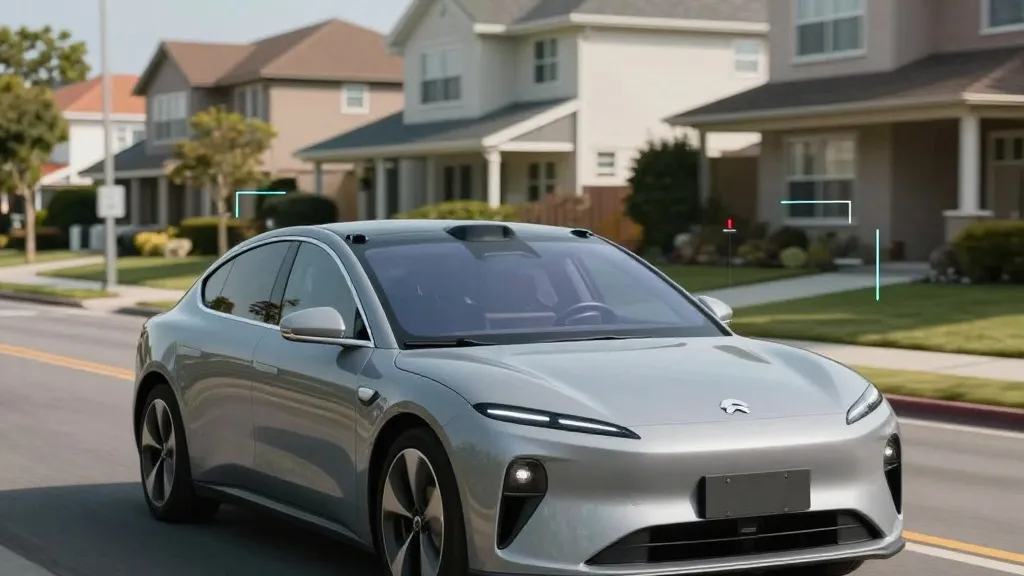
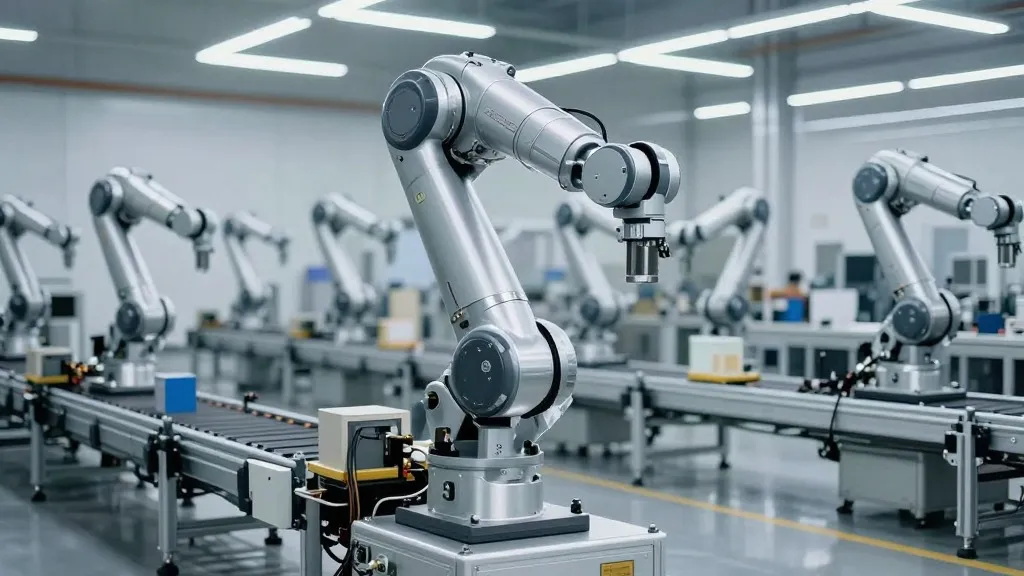
The timeline was discussed during a SpaceX earnings call broadcast on October 20. Elon Musk serves as the chief executive for both Tesla and SpaceX, which are collaborating on the project. The facility is designed to supply chips for internal needs, including xAI clusters, self-driving vehicles, Optimus humanoid robots, and orbital AI data centers, as well as the broader market.
Musk stated that critical equipment providers are accelerating their deliveries to support the schedule. ASML, the sole commercial supplier of extreme ultraviolet lithography systems required for high-volume, leading-edge chip production, is a primary partner. The project also involves American manufacturers such as Applied Materials, Lam Research, and KLA Corporation, along with Tokyo Electron from Japan.
To achieve the required technology, the facility will utilize extreme ultraviolet lithography systems for the 14A manufacturing node. Intel officially joined the venture in April 2026 to help co-develop and refactor silicon fabrication technology. Reports indicate that the first extreme ultraviolet tool was previously slated for delivery in mid-2027, though it is unclear if that date refers to the accelerated schedule.
Musk also addressed near-term plans for AI companies, projecting 2.5 to 3 gigawatts of computing capacity active by the end of 2026. He stated a high confidence level for reaching a total of 13 gigawatts of AI compute by the end of 2027. To meet this, SpaceX and xAI are aggressively procuring next-generation NVIDIA architecture.
Plans include a 440,000-GPU Nvidia 'Vera Rubin' training cluster online by the end of the second quarter of 2027. For comparison, the next-largest project by planned capacity, the restructured 10 gigawatt Project Stargate, is expected to reach full capacity in the 2030s.
Experts have questioned the validity of the 1 terawatt ambition. Research firm Gartner estimates the total global AI-optimized data center capacity is roughly 44 gigawatts as of late 2026, which is 4.4% of Terafab's planned output. However, global AI computing capacity has grown by roughly 3.3x to 3.4x per year since 2022.
Source: Tom's Hardware