Tesla Reverses Course, Maps Its Own Roads for FSD
The automaker is building a proprietary map layer to address persistent issues with speed limits, parking, and routing within its Full Self-Driving system.
By Miguel Hernandez ·
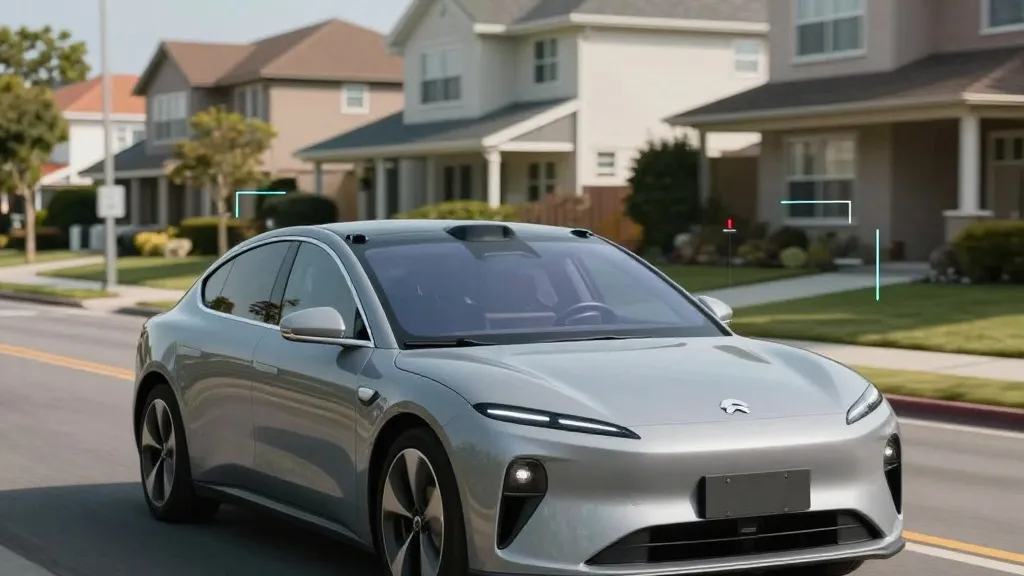
Tesla is now constructing its own mapping system to resolve recurring difficulties with its Full Self-Driving technology, specifically regarding the interpretation of speed limits, parking maneuvers, and route determination. Ashok Elluswamy, Tesla's VP of AI, disclosed this initiative during the company's Q3 2026 earnings call. He stated that the company should not rely on external map providers and confirmed that Tesla is developing a proprietary mapping and navigation architecture powered by artificial intelligence. This system is designed to utilize data aggregated from its fleet to learn individual driver preferences and process voice commands, with initial handling of trip beginnings and ends scheduled for FSD v15.
This development marks a significant pivot for a company that has historically rejected the necessity of such infrastructure. In 2015, Tesla told Fortune it was building high-precision maps with '100 times the level of granularity' of standard navigation. However, during its 2019 Autonomy Day presentation, Elon Musk characterized high-precision lane maps as a 'huge mistake' and a 'really bad idea' that renders a self-driving system 'extremely brittle.' Musk's previous stance emphasized reliance on cameras and artificial intelligence to navigate anywhere without the constraints of detailed mapping or lidar sensors.
The move to construct a map layer from its own fleet aligns Tesla's operational methodology more closely with competitors like Waymo. While Waymo utilizes lidar-equipped vehicles to map cities prior to service, Tesla intends to use data collected by its consumer vehicles to build a map that assists all cars in navigating more effectively. The company is currently addressing specific failures in environmental comprehension; for instance, a Belgian road safety group reported that FSD exceeded speed limits in 55% of 30 km/h zones tested in Brussels last month, averaging 44 km/h. Additionally, the National Highway Traffic Safety Administration is weighing an investigation into claims that Tesla Robotaxis speed through active school zones.
Tesla’s Robotaxi service currently operates within small, geofenced service areas under Tesla's direct fleet management. By developing its own map, the company is acknowledging that its vision system cannot reliably read and apply basic road information, such as speed limit signs. Consequently, the automaker is moving toward a system that relies on a fleet-built map to facilitate navigation, effectively utilizing the same method of mapping roads to ensure self-driving capabilities that it previously dismissed.
Source: Electrek