816 Acres: The Forest Loss Displacing Wolves Into Finnish Villages
Regulators have ordered a halt to Google's construction after unauthorized clearing turned 1,300 acres of woodland into mud, forcing displaced wolf packs into nearby communities.
By Brianna Jackson ·
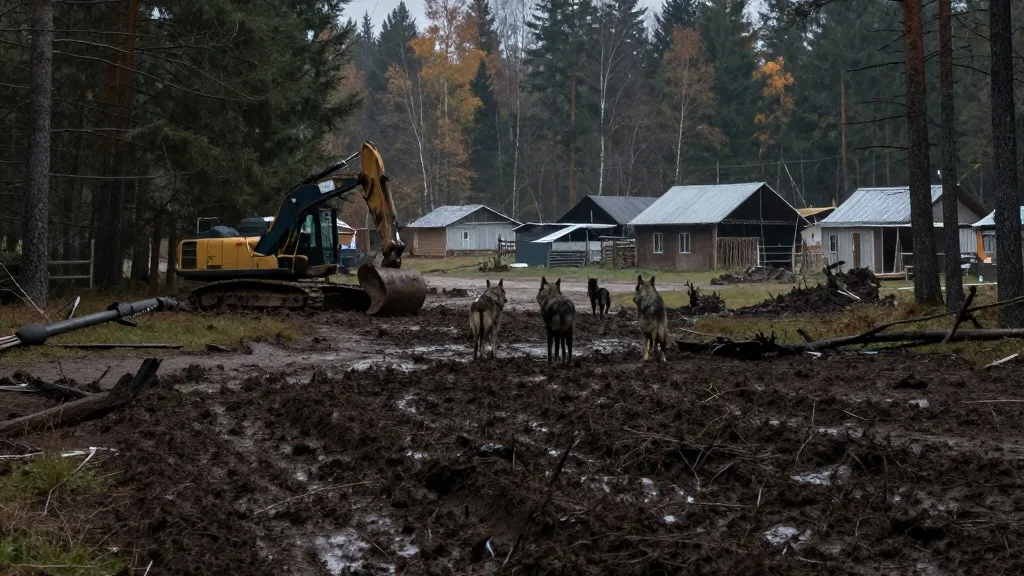
Google’s Finland country manager has issued a formal apology for the unauthorized clearing of forest land near the village of Muhos, an action that has transformed 816 acres of woodland into an expansive area of mud. The concession follows a directive from the Finnish Licensing and Supervision Authority (LVV), which ordered the technology giant to cease work on a separate site roughly 500 acres in size, located 55 miles southeast of Otanmäki. The disruption to the local ecosystem has now resulted in a visible shift in wildlife behavior, with wolf packs that previously inhabited the cleared forests roaming into neighboring villages.
The situation in Finland mirrors a growing pattern of tension between AI data center developers and local environments. The construction surge, driven by the demand for artificial intelligence infrastructure, has outpaced environmental regulations in several regions. While such complaints are common in the United States and other nations, the scale of the unauthorized clearing in Finland has drawn particular scrutiny. Local residents report that the rapid development has bypassed standard procedures, leading to what one representative of the Finnish Association for Nature Conservation (SLL) described to The Guardian as an unprecedented and clear flouting of environmental policy.
The timeline of events leading to the current standoff began earlier this month when the LVV issued a stop-work notice regarding construction activities in both Muhos and the Kajaani area, near Otanmäki. Despite these regulatory warnings, work continued in certain zones, resulting in the significant degradation of the forest floor. The LVV subsequently issued a specific order for Google to halt development in the affected areas, marking a formal escalation in the dispute between the tech company and Finnish regulators.
The most immediate consequence of the land clearing is the displacement of local fauna. Anni Ranta, 53, a resident of Otanmäki whose family has lived there for generations, noted that the loss of natural habitat has forced animals to seek new ground. "We had wolves coming into the village because all the wild animals moved out of the forest," Ranta stated. Beyond the ecological impact, residents express broader concerns about the presence of U.S.-owned data centers, with some fearing the infrastructure could make the region a more attractive target for Russian aggression.
Residents are reporting a range of additional side effects associated with the construction boom. Complaints include persistent noise from factories and construction sites, local streams turning brown due to runoff, and the displacement of rare bird species. These issues have compounded the anger in the community, suggesting that the friction is not limited to environmentalist groups but extends to families dealing with direct changes to their daily lives and safety.
In response to the regulatory order, a Google spokesperson maintained an optimistic tone regarding the future relationship between the company and Finnish authorities. "We will fully comply with LVV’s requests in this matter," the spokesperson said. The company expressed its intent to keep an active and open dialogue with all relevant bodies, aiming to strengthen its partnership with Finland and local organizations. This approach suggests Google is banking on the long-term business benefits of its data centers to maintain its position in the country.
The regulatory intervention highlights the challenges facing data center projects that rely on expedited construction timelines. The LVV’s decision to issue a stop-work order underscores the strictness of Finnish licensing bodies when faced with unauthorized environmental changes. For Google, the next steps involve not only halting the specific operations in Muhos and Otanmäki but also navigating the ongoing discussions with local stakeholders who are demanding accountability for the land already disturbed.
As the mud settles on the cleared sites, the focus shifts to how the area will be managed going forward. The displacement of wolves has turned an environmental dispute into a public safety topic for village residents. While Google aims to resume its expansion plans, the current pause provides a window for local communities to voice their concerns about the pace and method of development. The outcome of this dialogue will likely influence how future AI infrastructure projects are approved in the region.
The incident serves as a case study in the environmental costs of rapid technological expansion. The 816 acres of forest now reduced to mud represent a tangible loss of biodiversity that has rippled into human settlements. With regulators closely watching the compliance of the stop-work order, the coming months will determine whether the partnership between Google and Finland can be repaired or if the project faces further delays.
Source: Tom's Hardware