Nvidia’s Microduck Robots Become Holiday Sensation After Keynote Debut
Viral footage of waddling, open-source robots has driven preorders past twenty thousand units ahead of the holiday season.
By Camila Rodriguez ·
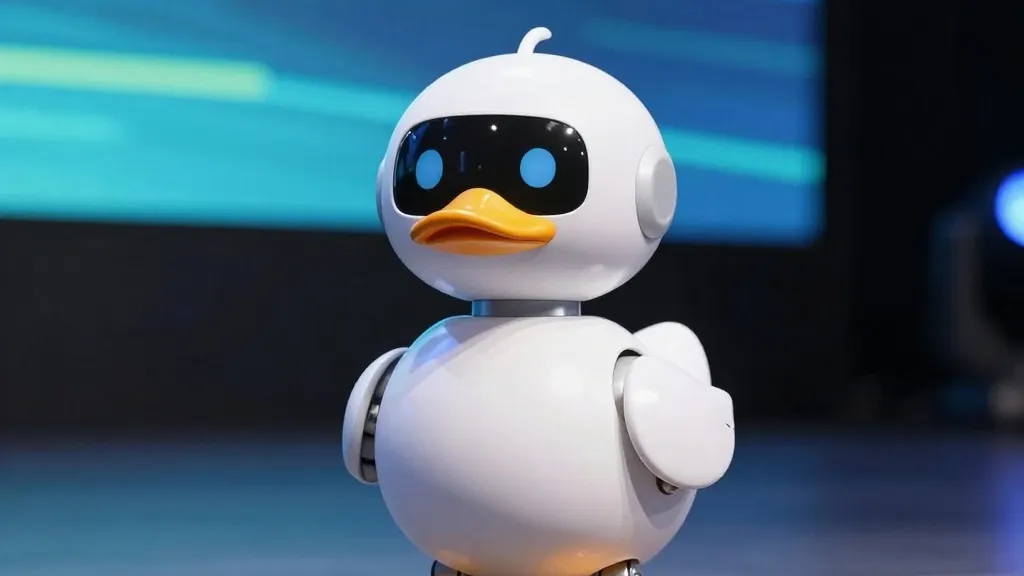
The artificial intelligence sector has spent the past week grappling with serious security concerns, but a burst of digital cuteness is providing a stark contrast. This week, preorders for a new line of robotic ducks surged past the twenty-thousand mark following a high-profile demonstration at a major industry event.
The surge in interest began earlier this week during the GTC Berlin conference. Jensen Huang, the chief executive of Nvidia, took the stage to showcase a flock of small, autonomous devices known as Microducks. In the footage that quickly spread across social media, the robots waddled across the stage, stomping their feet while emitting high-pitched, mechanical noises reminiscent of classic sci-fi droids. The crowd watched as the devices sat, performed somersaults on vocal commands, and even simulated a nap by falling flat on the floor.
The reaction from the tech community was immediate and overwhelmingly positive. By the day after the keynote, Clem Delangue, the head of Hugging Face, confirmed the explosive demand via a public post. He noted that preorders had already exceeded twenty thousand units, a significant number for a niche robotic product. Delangue suggested that these devices could become the best-selling robots of the year, noting that the promotional materials feature adults engaging with the toys just as enthusiastically as children.
The timeline of the Microduck’s rise is closely tied to recent corporate shifts in the AI landscape. The devices are produced by Pollen Robotics, a company that was acquired by Hugging Face in 2025. In September of this year, Nvidia completed its acquisition of Hugging Face, effectively bringing the robot manufacturer into the GPU giant’s family. This makes the Microduck Nvidia’s second major robotic offering, following the earlier release of the Reachy Mini, another open-source device designed for interaction and learning.
Technologically, the Microducks rely heavily on Nvidia’s proprietary infrastructure. The robots were trained using the company’s technology stack, which involved running complex simulations to teach them fundamental movements. These pre-programmed behaviors, such as walking, sitting, and standing, are included in the hardware when it arrives in customer homes. The open-source nature of the project allows for a high degree of customization, with the manufacturer stating that owners can program new tricks into their units and share those creations with the broader community.
With delivery dates scheduled for the Christmas season, the Microducks are positioning themselves as a major holiday contender. The combination of viral marketing, celebrity endorsement from a top tech executive, and the appeal of a cute, interactive pet has created a strong momentum. Analysts and observers are watching to see if the initial preorder spike translates into sustained sales, potentially challenging established toy brands during the critical year-end shopping period.
For the AI industry, the success of the Microduck serves as a palate cleanser after a week dominated by news of cyberattacks and the complexities of AI integration. While the sector continues to navigate the serious implications of artificial intelligence on security and global infrastructure, the Microduck reminds the public of the technology’s more accessible and playful side. The ease with which these small machines capture attention highlights the enduring power of design and charm in consumer tech.
Looking ahead, the focus will shift to the production and delivery of the first batch of units. As the robots arrive in mailboxes across the country, the community will likely begin to populate the internet with videos of their own custom-trained behaviors. This user-generated content could further fuel the product’s popularity, creating a feedback loop of engagement that keeps the Microduck in the spotlight well into the new year.
Source: TechCrunch