Tesla Hits 1.74 Million FSD Users, But Definition Hides Monthly Revenue Reality
Tesla's reported surge in self-driving software sign-ups relies on counting past one-time buyers as current subscribers, a method tied directly to Elon Musk's compensation targets.
By Amy Swan ·
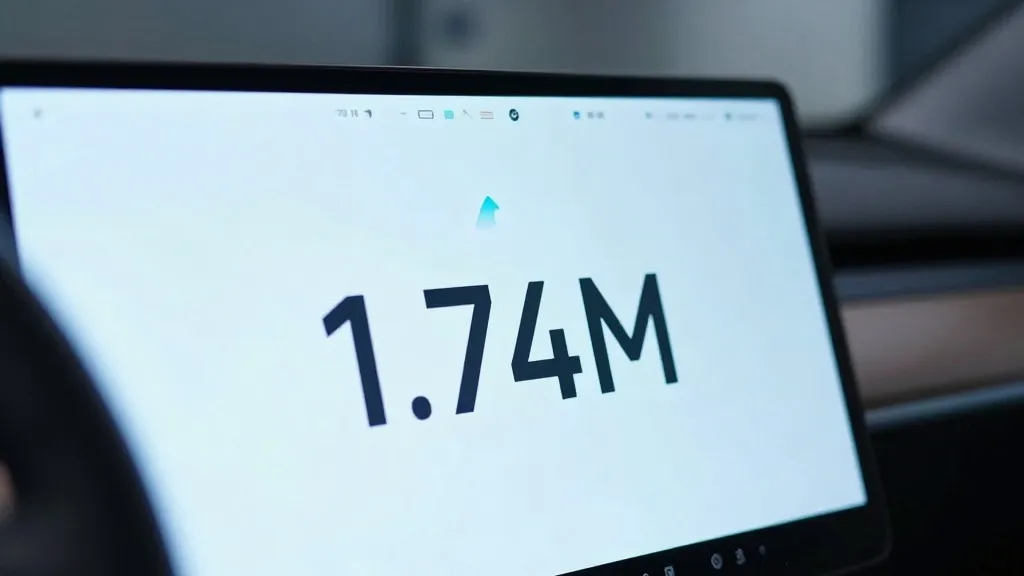
For drivers in the Southeast and across the US, the most visible change in Tesla’s recent reporting is not a new feature or a price cut, but a shift in how the company measures its popular software. Tesla now reports that 1.74 million vehicles are using its Full Self-Driving (FSD) software, a figure that represents a 67% increase from the same period last year. While this number suggests rapid adoption, the method used to calculate it has significant implications for how investors and owners understand the business, particularly because it aligns with the specific metrics required for CEO Elon Musk’s 2025 performance award.
The first key point is how Tesla defines an "active" subscription. In its Q3 2026 shareholder letter, the company clarified that this count includes both monthly subscribers and owners who purchased the software outright for a lump sum. Tesla stopped selling FSD as a one-time purchase on February 14, 2026, setting a new standard price of $99 per month in the United States. However, the 1.74 million figure still includes customers who paid upfront, some of them years ago, at prices that went as high as $15,000. As long as those vehicles remain active, they are counted in the total, regardless of whether the owner is currently paying a monthly fee.
The second key point concerns the scale of this metric relative to executive compensation. The 10 million active FSD subscriptions target is one of the specific milestones Musk must achieve to earn his 2025 pay package. By including past purchasers in the current count, Tesla effectively boosts its standing on this particular goal. This approach creates a distinct picture of momentum that differs from a pure revenue-based metric, as it aggregates long-term software ownership with recent monthly commitments without distinguishing between the two in the headline number.
The third key point involves the pace of growth. Tesla added 260,000 net FSD subscriptions in the third quarter of 2026, which the company noted was its best quarter yet. However, the path to the 10 million milestone remains long. If Tesla maintains the recent quarterly pace, it would take approximately eight years to reach that goal. If it adheres to the average growth rate of the past 12 months, which is roughly 700,000 new users per year, the timeline extends to about 12 years. The compensation package itself remains in effect until 2035, providing a long runway for these targets.
Contextualizing these numbers requires looking at other metrics in the same report. Tesla also reported that over 75% of new deliveries in North America included FSD in Q3, a nearly twenty-percentage-point increase from the previous quarter. The company believes this software is driving demand in available markets. However, the letter does not specify if this attach rate includes introductory offers or how many of those buyers are still paying after a few months, unlike the active subscription metric which explicitly excludes free trials.
Additionally, Tesla’s cumulative delivery count reached 10.2 million vehicles. This figure also follows the logic of the pay package, as it includes unsupervised Robotaxis placed into commercial operation. This is part of a broader strategy to align operational metrics with the 12 tranches of Musk’s award, which also includes targets for 1 million Optimus robots and 1 million robotaxis. As of June 30, the company considered only the 20 million vehicle delivery milestone to be probable.
Looking ahead, the focus will remain on whether the high attach rate translates into sustained monthly revenue. While counting upfront buyers is not technically incorrect, the labeling of these users as "subscribers" may obscure the actual number of customers paying the $99 monthly fee. For the board and shareholders, the next step is to monitor if the current growth trajectory holds, particularly as the company navigates the gap between its current user base and the multi-million-user milestones set for the end of the decade.
Source: Electrek