Tesla Q3 Profit Drops 4% as Heavy AI Spending Outpaces Revenue Growth
The electric vehicle maker posted flat revenue of $28 billion but saw operating income fall sharply due to increased investments in artificial intelligence and robotaxi technology.
By Gabriela Flores ·
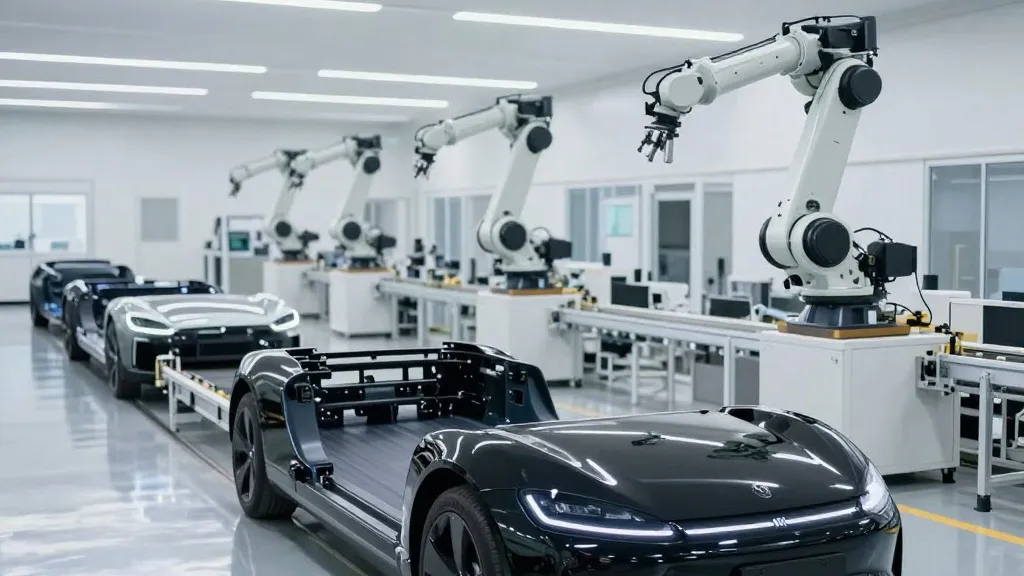
Tesla reported third quarter results today that show a mixed picture for the electric vehicle giant. While the company managed to beat expectations on earnings per share, its overall profitability continued a downward trend. The bottom line reflects a strategic shift where spending on future technologies is growing much faster than the company's core automotive profits.
Revenue remained essentially flat compared to the same period last year, landing at $28.05 billion. This figure matched Wall Street forecasts almost exactly. However, non GAAP earnings per share came in at $0.48, slightly better than the $0.45 consensus but down 4% from the previous year. On a GAAP basis, net income fell 43% to $787 million, or $0.22 per share. This decline was driven by a 56% drop in operating income to $718 million.
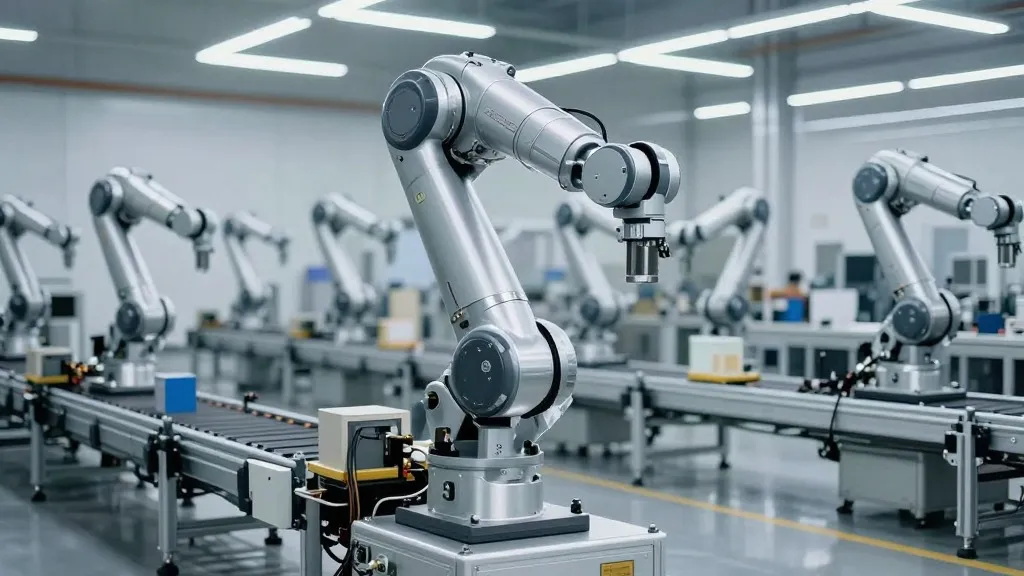
The primary driver of the profit dip is a massive increase in operating expenses. These costs rose 39% year over year to $4.78 billion. Research and development spending saw the largest jump, surging 69% to $2.76 billion. The company is directing these funds toward what it calls Super Intelligence, the Optimus robot, and the Cybercab. Additionally, stock based compensation reached $1.17 billion, up from $663 million a year ago, largely due to the executive pay package approved in 2025.
Margins showed some signs of recovery, though not enough to offset the spending. Automotive gross margin excluding regulatory credits improved to 18.1%, up from 16.3% in the second quarter. Total gross margin was 19.6%. However, the operating margin compressed to 2.6%, down from 5.8% in the prior year quarter. Tesla attributes the margin improvement to better product mix and higher FSD subscription revenue, which partially offset lower average selling prices.
Capital spending accelerated significantly this quarter. Tesla invested $4.73 billion, more than double the amount spent a year earlier. This puts year to date spending at $13.01 billion. Management had guided for more than $25 billion for the full year, meaning the company must spend roughly $12 billion in the fourth quarter alone to meet that target. Despite the high capex, free cash flow remained positive at $1.53 billion, aided by a $288 million unrealized gain on bitcoin holdings.
In terms of operations, Tesla stated that battery availability was the main limiting factor for vehicle volume. Deliveries totaled 486,532 units, which was down 2.1% from last year but ahead of analyst estimates. The company also reported that active FSD subscriptions reached 1.74 million, a 67% increase. Meanwhile, energy storage revenue fell 16% to $2.88 billion due to tariff related refunds, even as deployment volume rose. Services and other revenue grew 33% to $4.61 billion, marking a record gross profit for that segment.
Management will discuss these results on an earnings call scheduled for 5:30 p.m. ET. The full shareholder letter is available on the company's investor relations website. The data suggests that while Tesla is improving its core auto margins, the heavy investment in AI and robotics is creating a temporary squeeze on overall profits.
Source: Electrek